Sea and Stone and Poetry (2022)
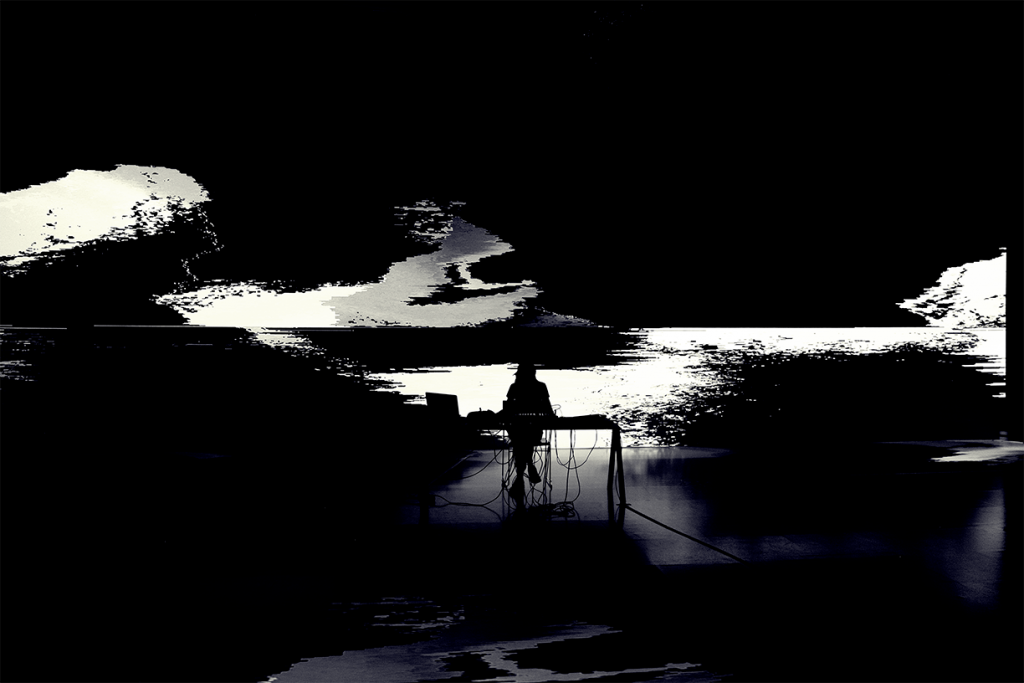
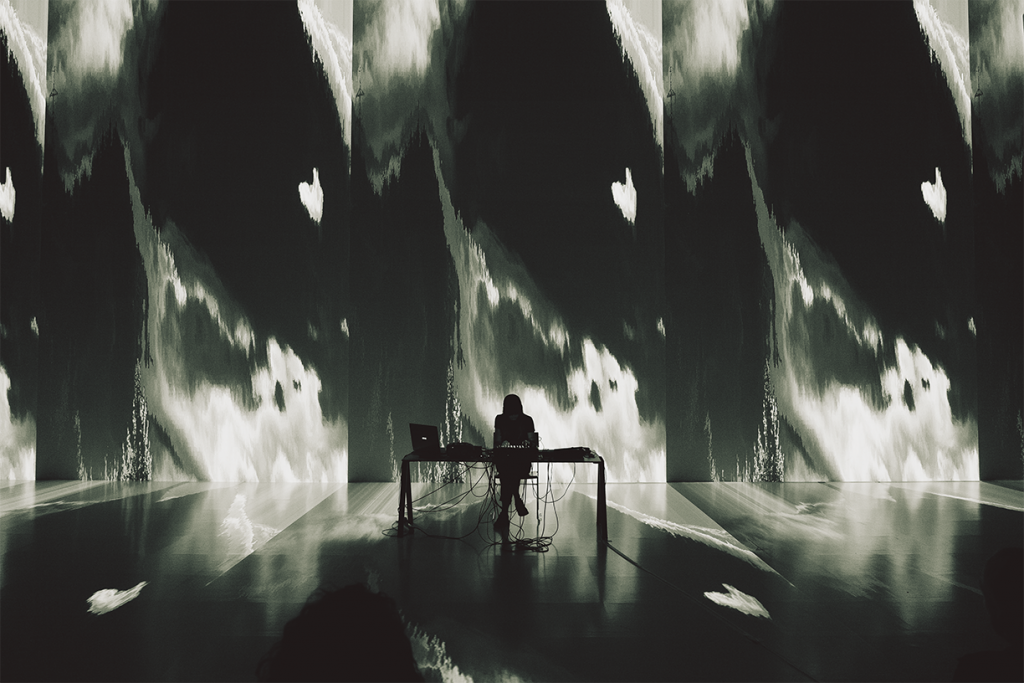
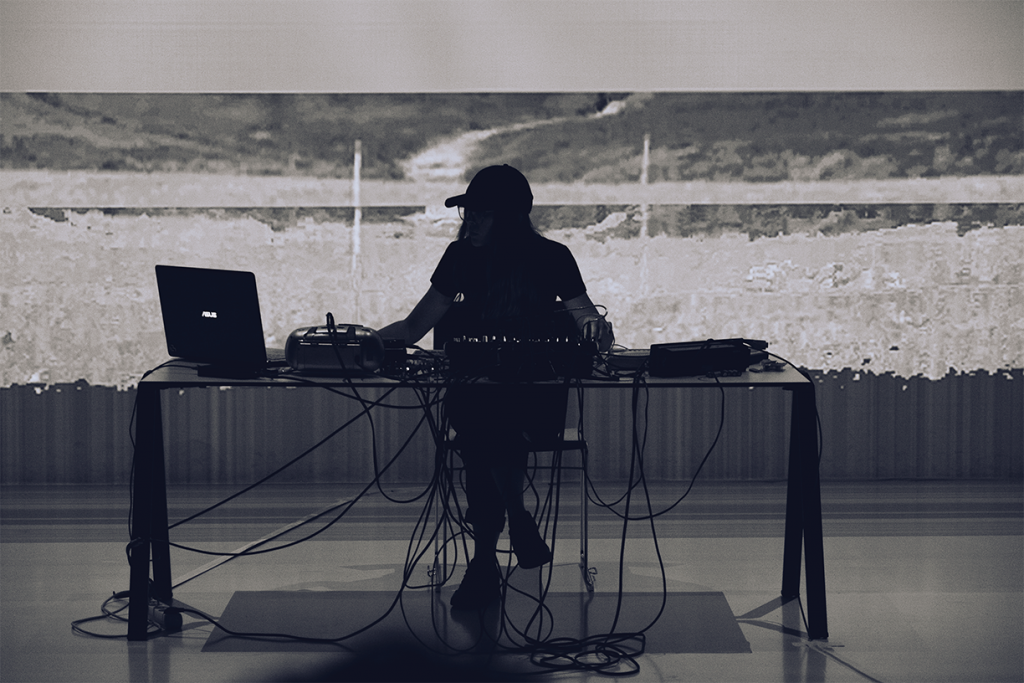
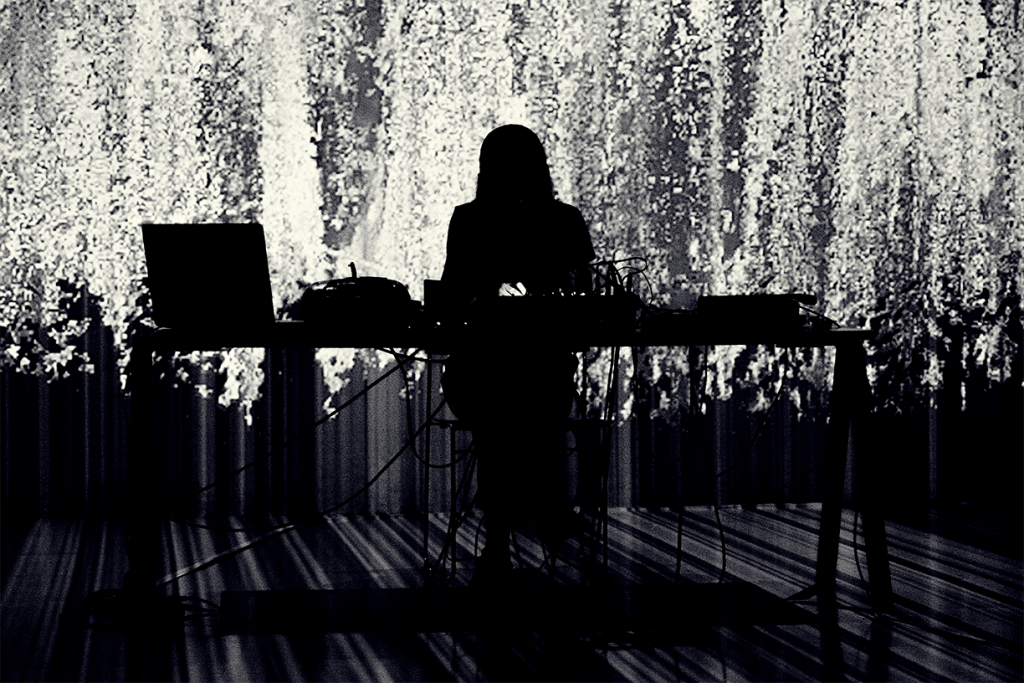
Sea and Stone and Poetry explores the intersection of technology with culture and folklore, presenting performance as a form of documentary. This immersive experience creates a sound documentary and goes beyond by incorporating audiovisual elements.
The project aims to blend traditional Japanese folk music with noise, crafting a dark ambient, experimental audiovisual live performance.



Che si può fare?
AV live performance with guest Johanna Falkinger (2019)
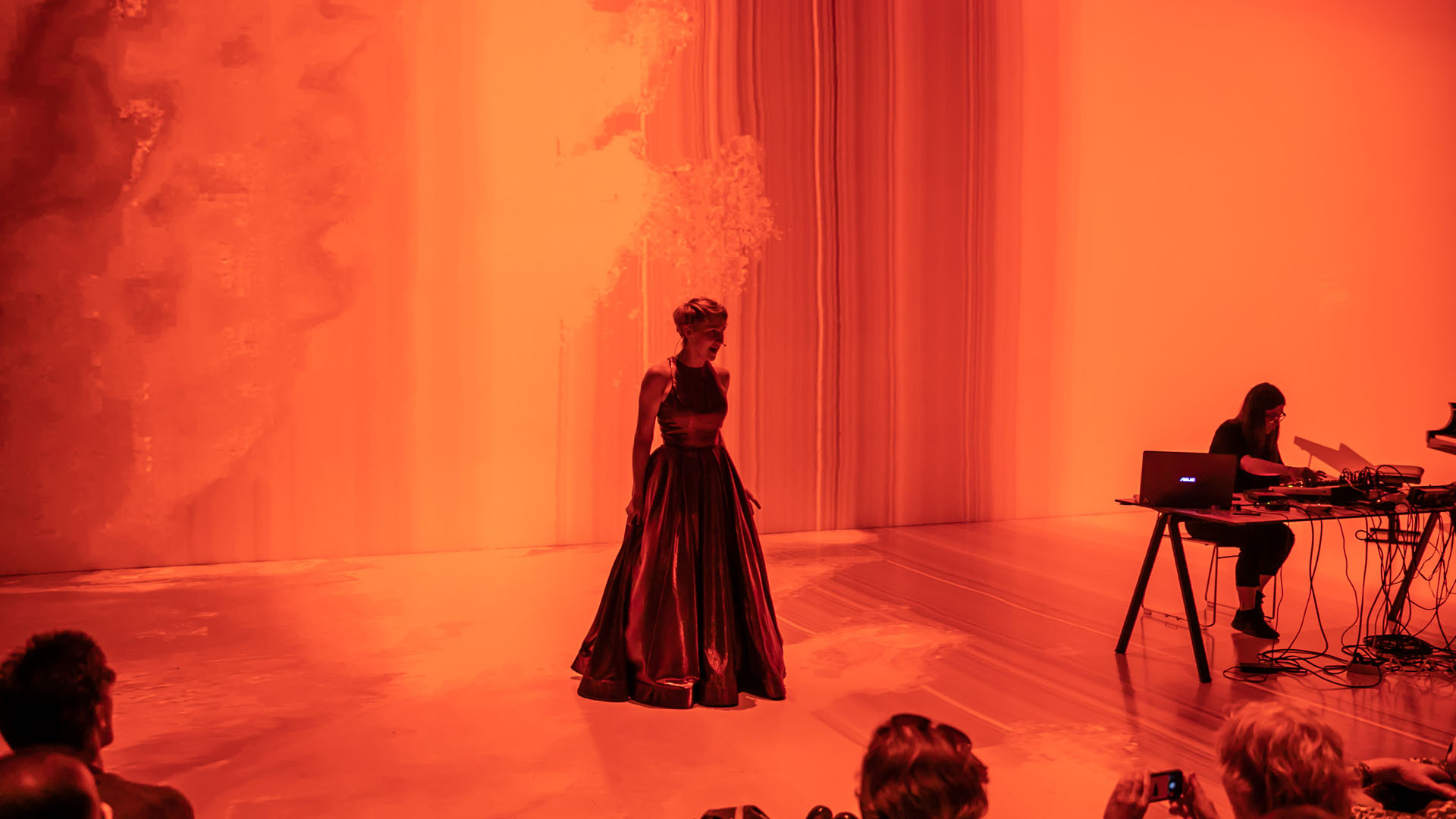
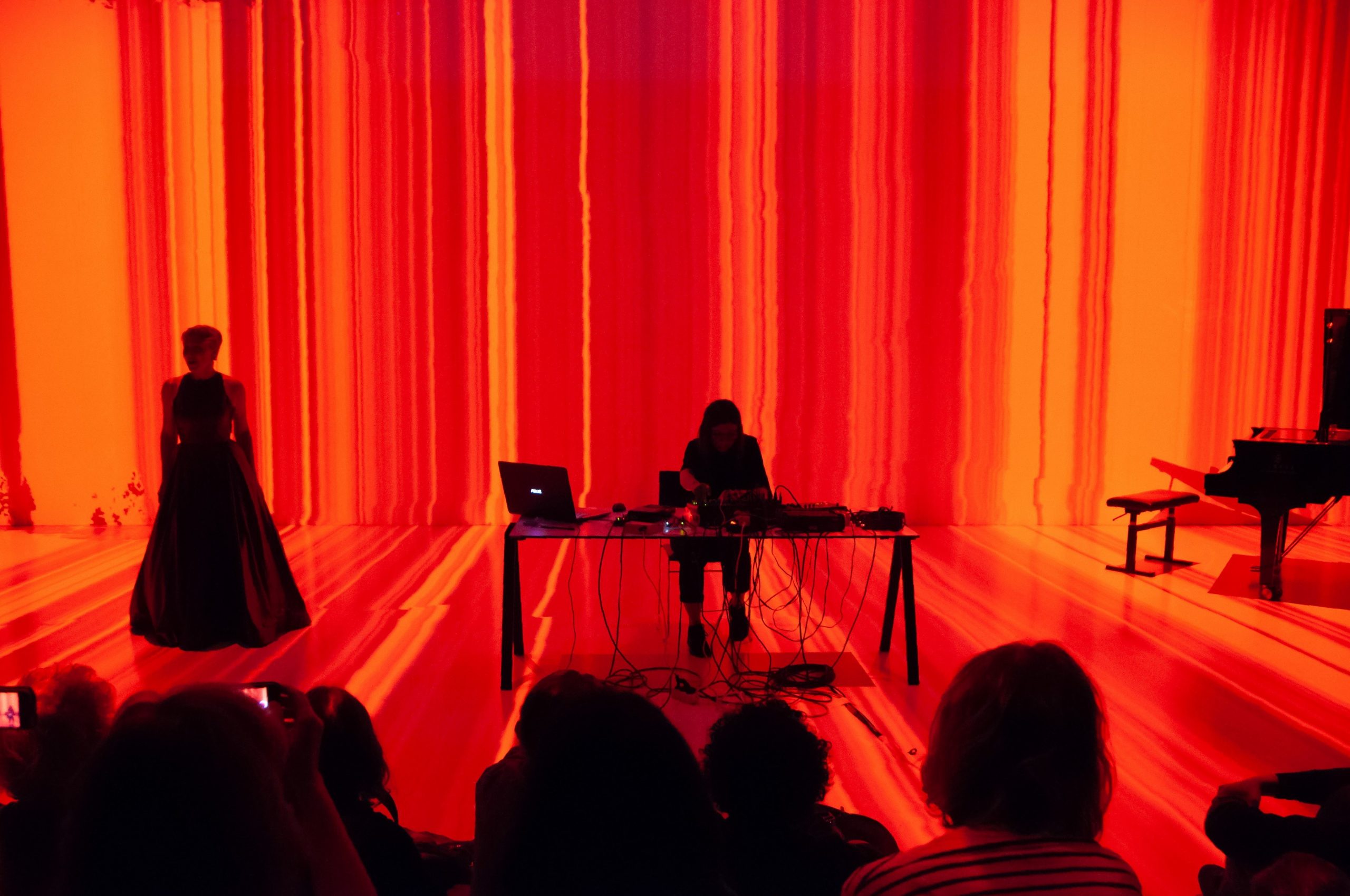
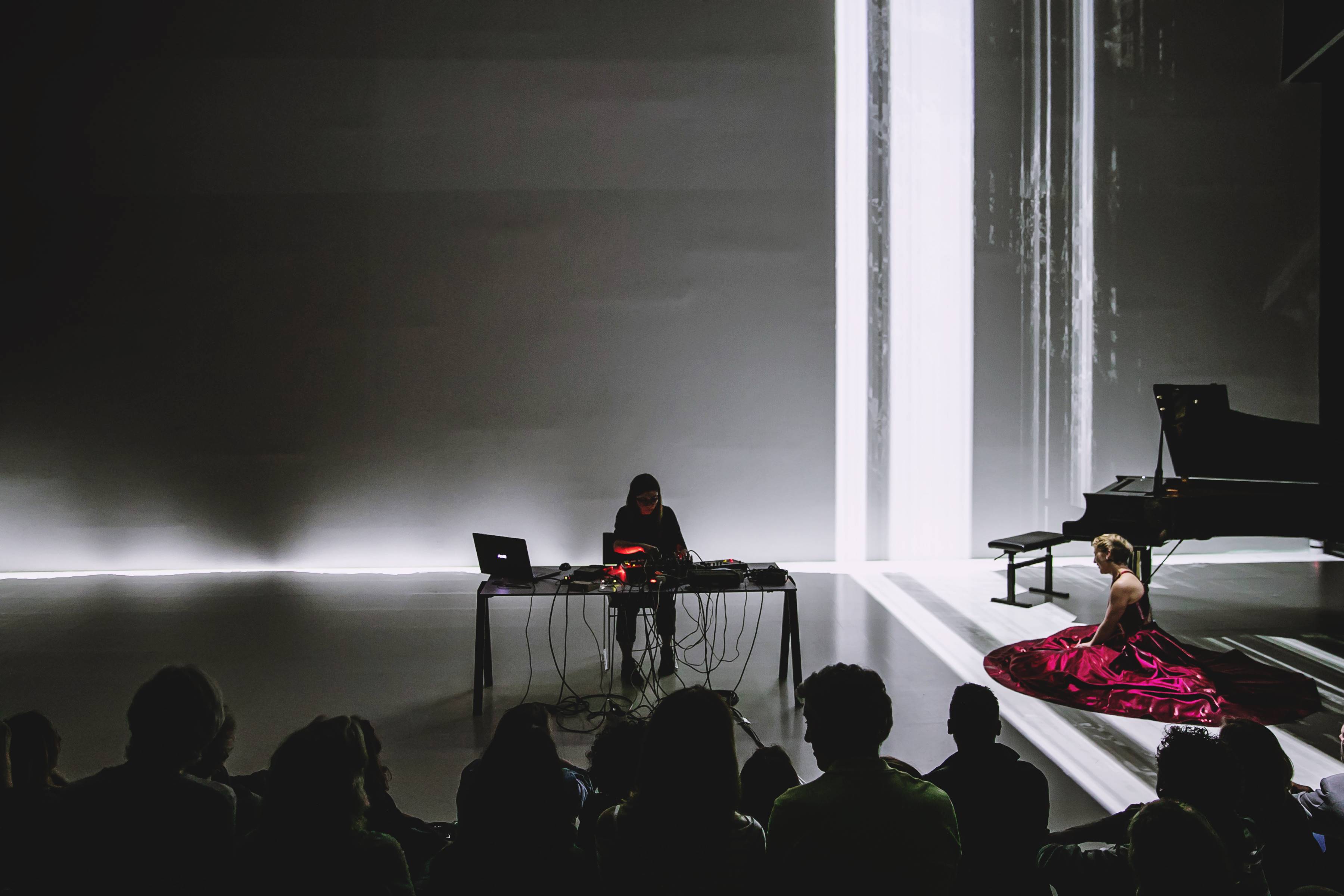
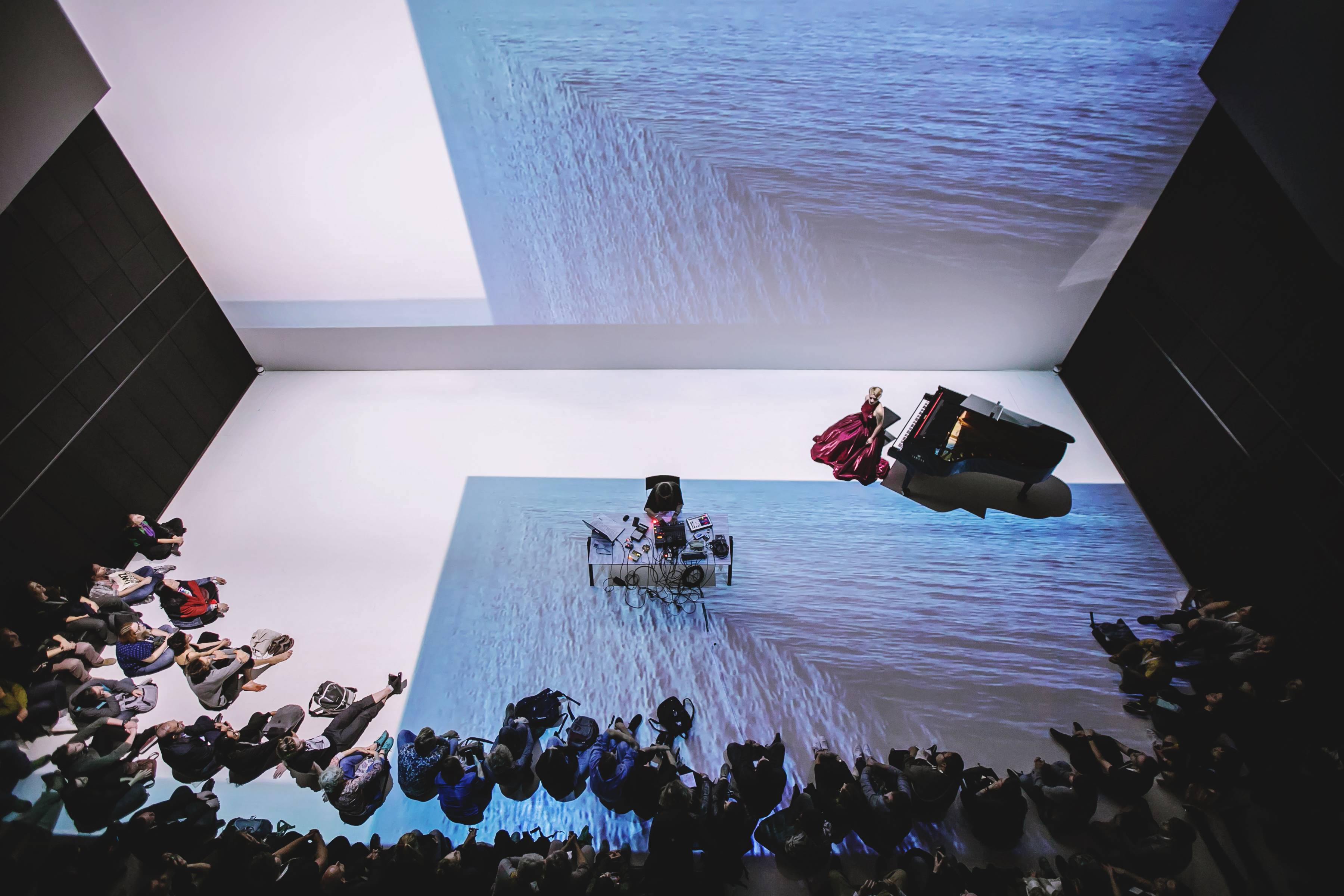
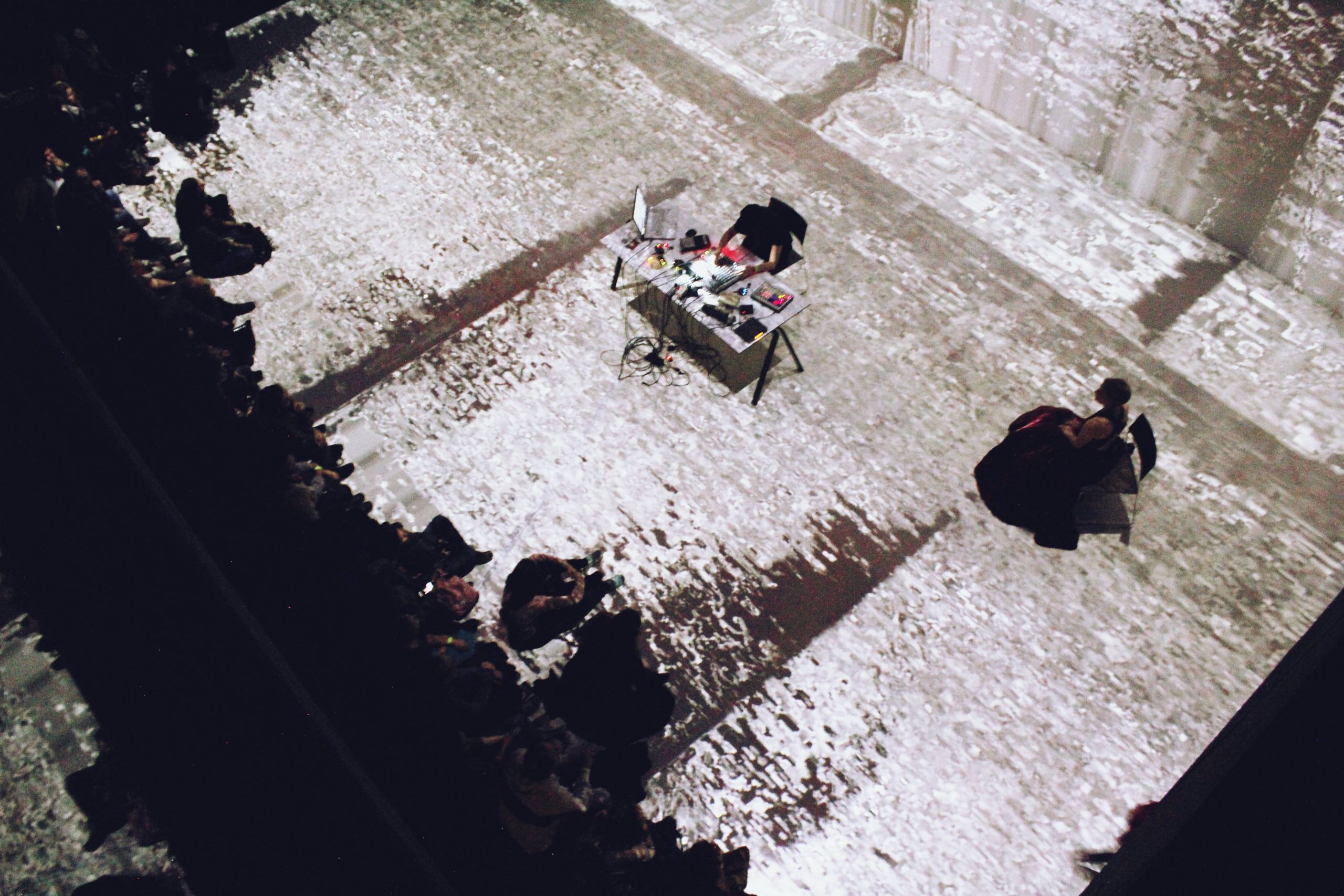
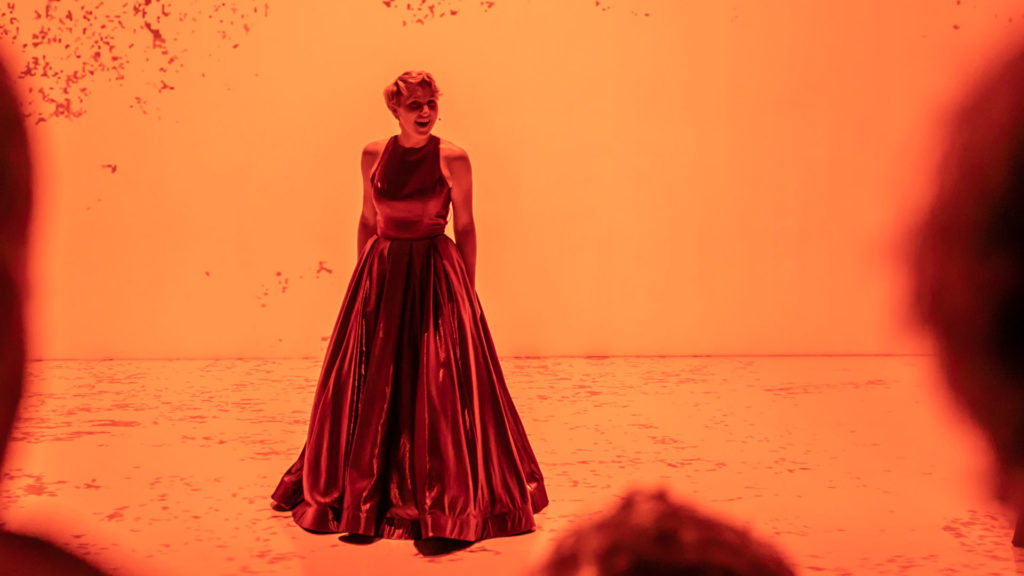
When noise music and classical opera meet: Monica Vlad is an experimental audio/visual artist who creates a noise composition based on opera using a live soprano voice interpreted by Johanna Falkinger. The structure is based on three different arias sung by her although these arias were not originally composed for this opera. Similar to the system of an Aria di Baule – a so-called suitcase or insertion aria – the singer is choosing the arias to be sung. In addition, the sound artist Monica Vlad changes the orchestral accompaniment to electronic noise and the classical instruments are replaced by analog machines. The arias, however, are interpreted by the soprano as original.
The theme of this performance is based on feelings of melancholy, sadness, fear of loss, meditation and anger and how music can be used to express and release these emotions.
The performance was premiered at Ars Electronica Festival 2019 on 5, 6, 7 September, followed by 16 November – Lange Nacht der Bühnen at Deep Space 8k // Ars Electronica Center, Linz (AT).






Distorted Symphony
(2018)
9 November 2019 – Bistro Frederic, Linz (Austria)
8 June 2018 – #intermezzi, NEUE MUSIK – TOTAL SOLO Festival, Brucknerhaus // Linz (Austria)
30 June 2018 – KulturTankStelle // Linz (Austria)
Lost, but not lost forever (2017)
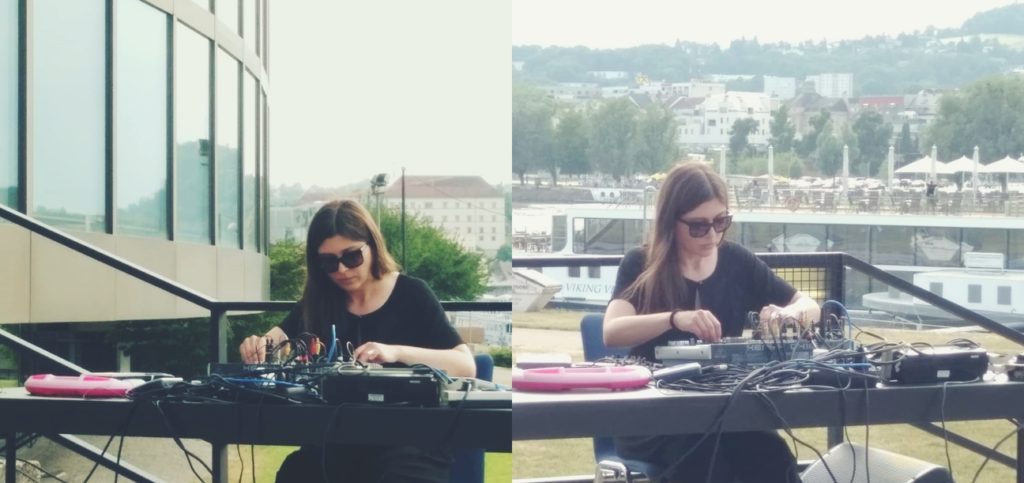
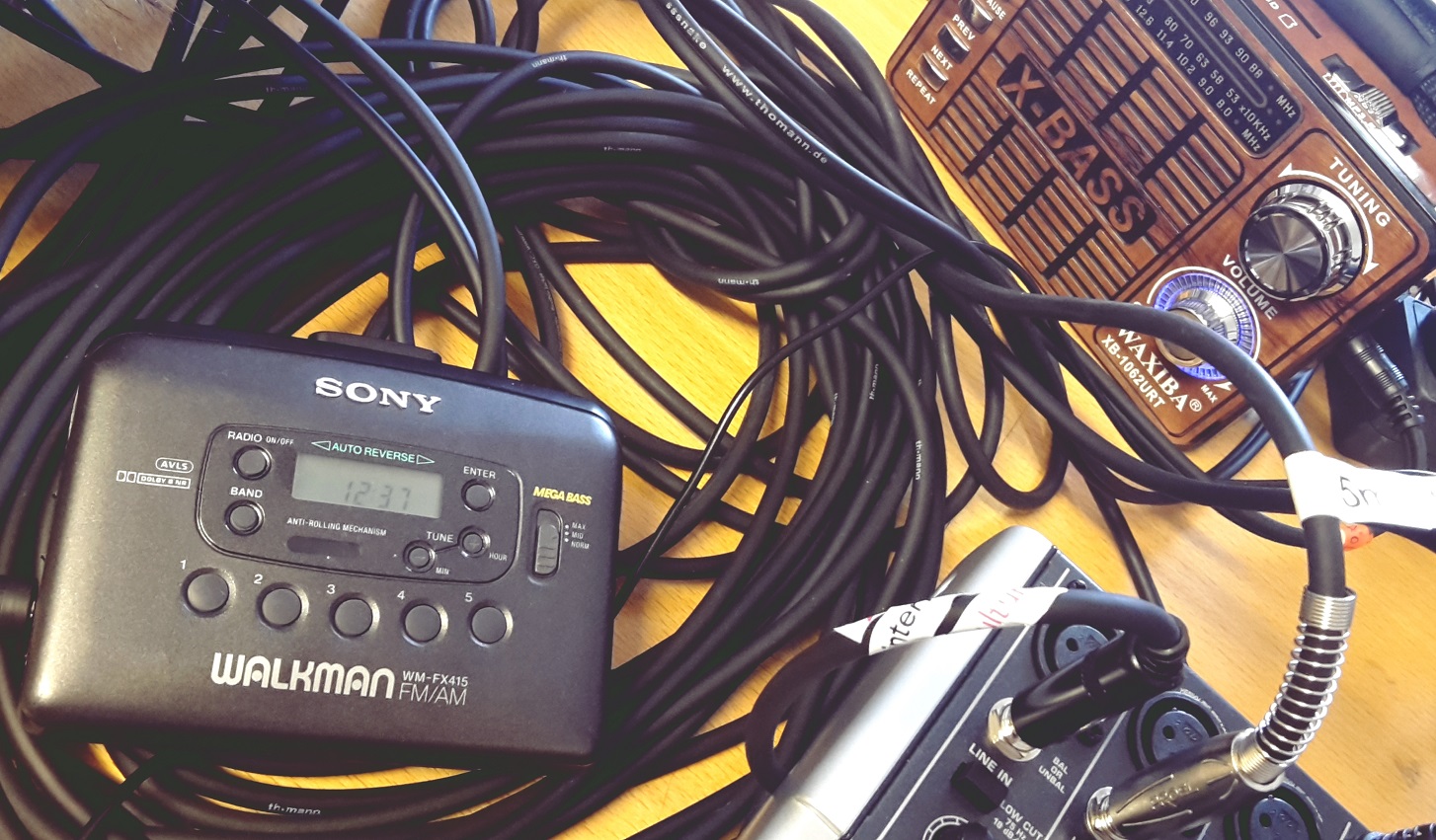
“Lost, but not lost forever” is a sound performance that uses old media devices to create new soundscapes. The set-up is made from 2 cassette players that are continuously playing 3 changeable cassette tape loops; 2 radios are also added to play random AM frequencies and create depth to the sound. A sewing machine is the central piece; 2 piezo microphones are positioned on its surface to detect the vibrations and transform them into audible waves, also an adjacent rhythm is created using the metal needle perforating the surface. A light sensor from a Signum device is used to create the principal beat and the bass. A small PCB (printed circuit board) is the last one to be added and used to close the performance.
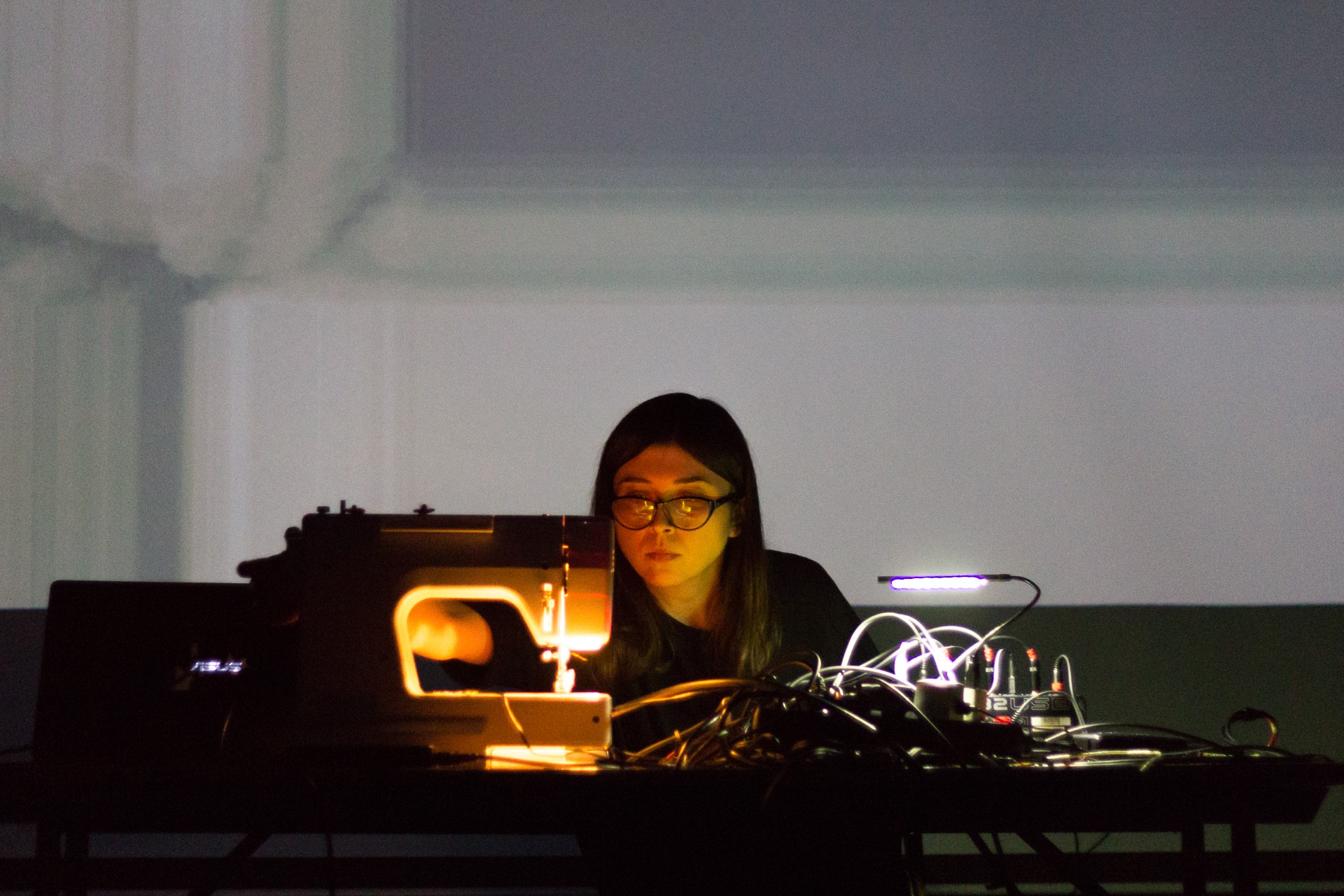
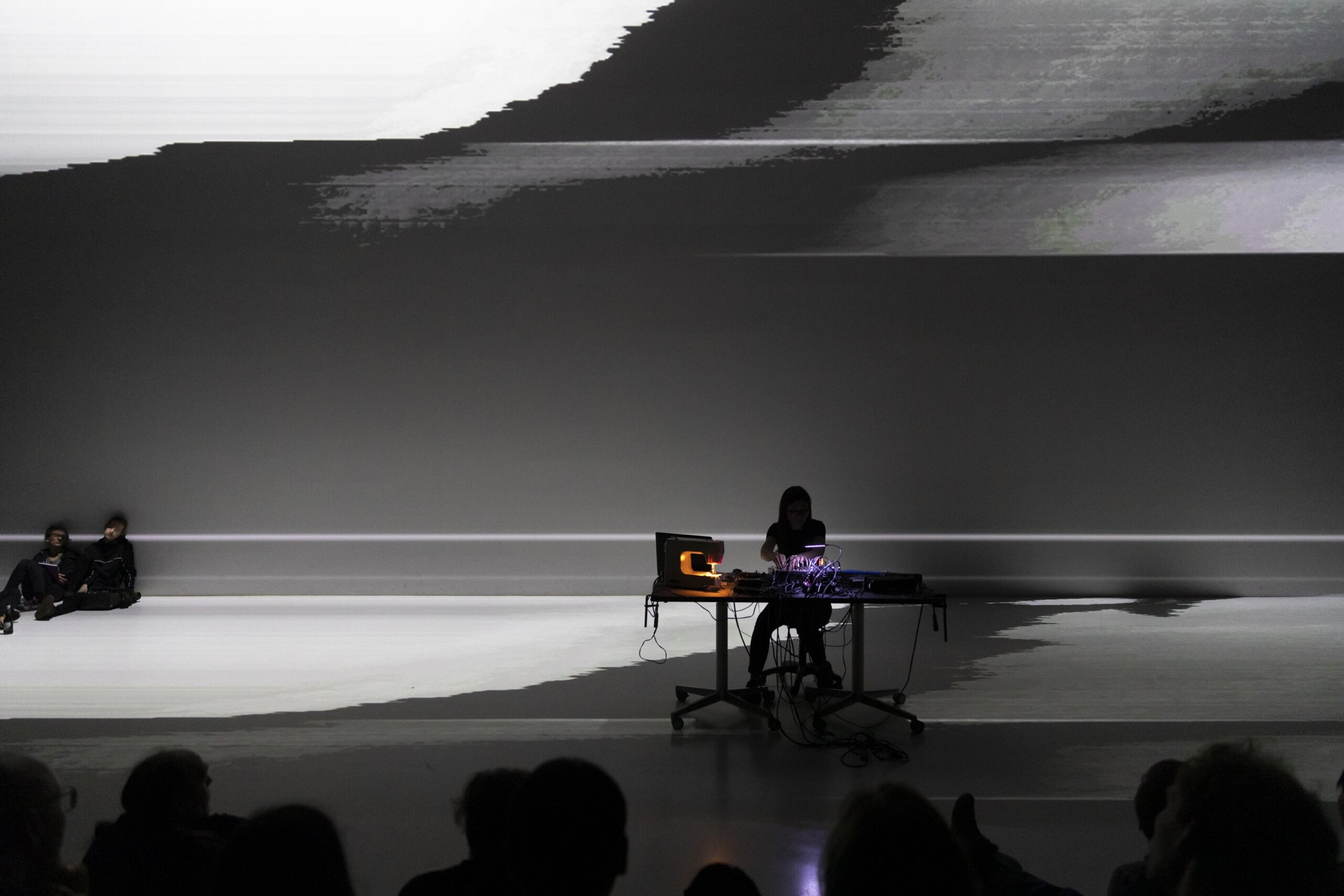


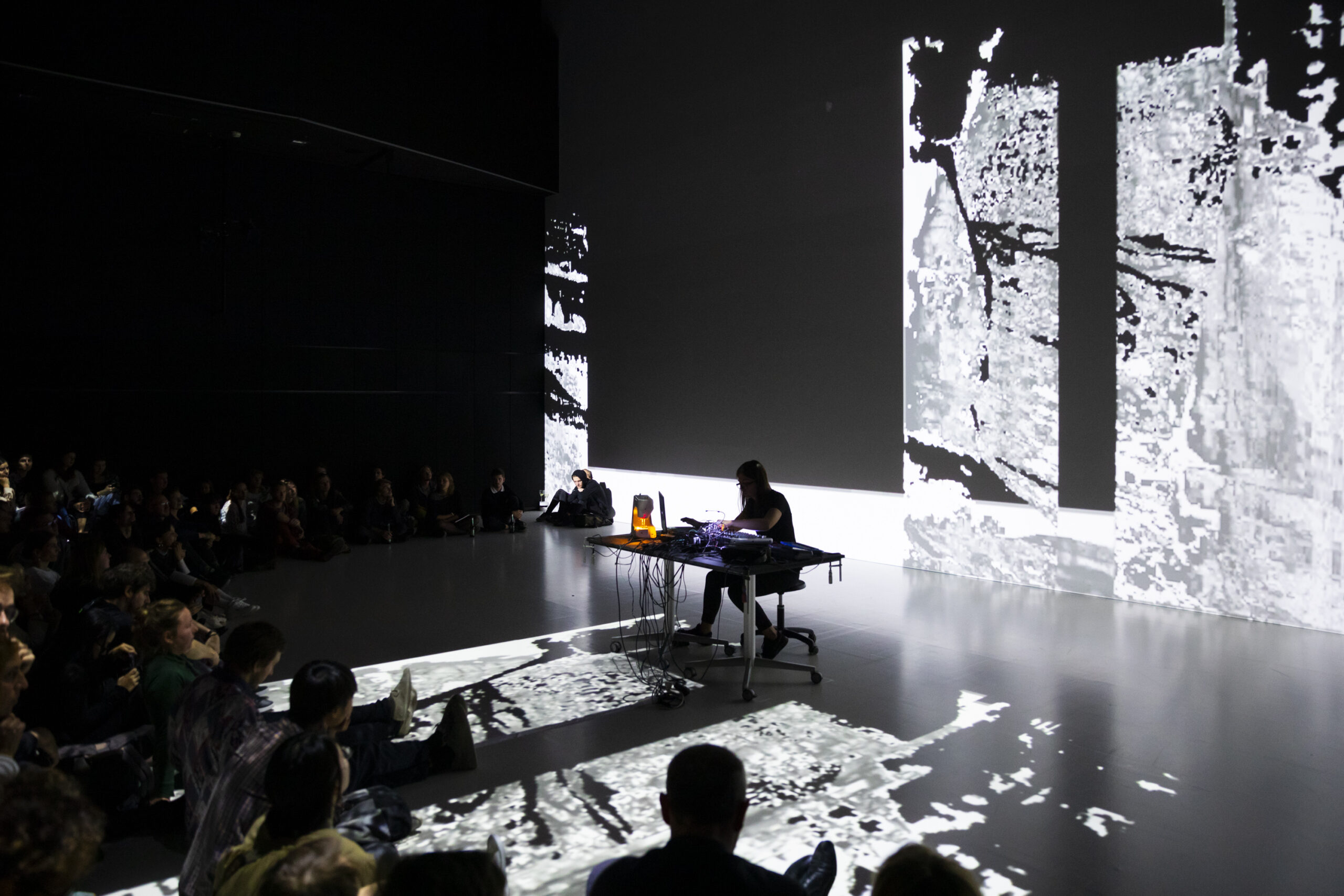
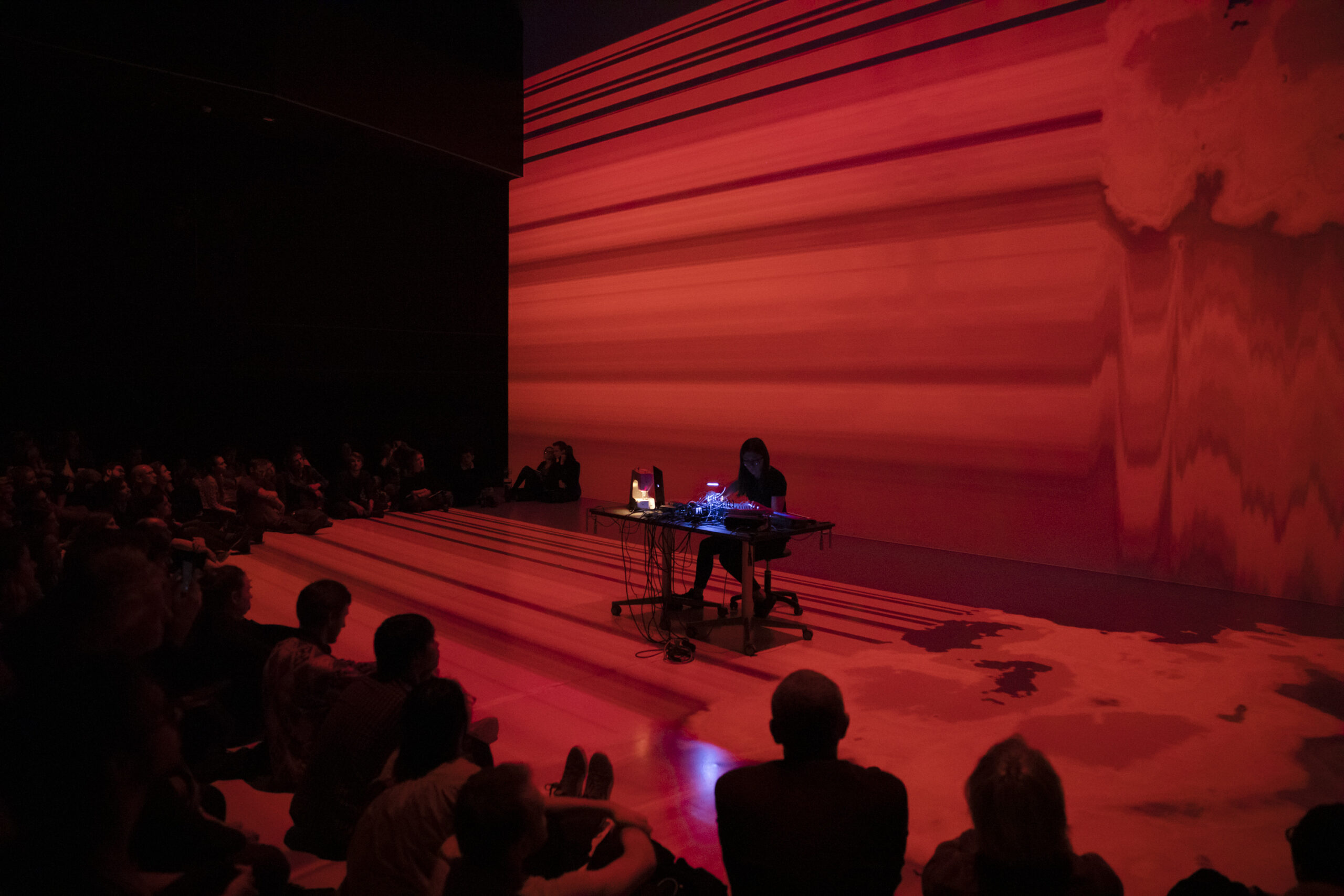
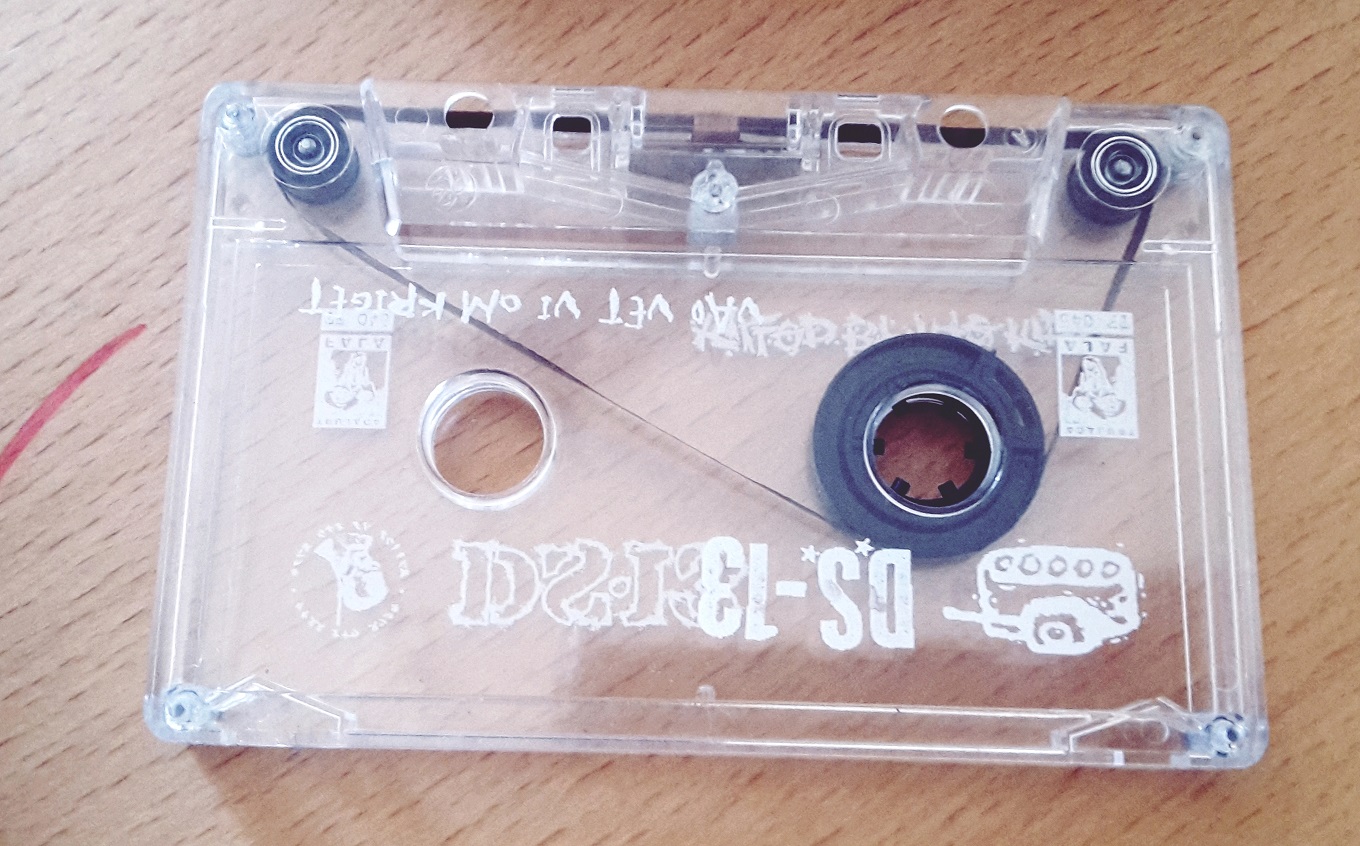
- 8 September 2017 – Ars Electronica Festival | Nightline – Mainstage, Linz (AUSTRIA)
- 11 September 2017 – Ars Electronica Festival | Music Monday – Bruckeruniversitat, Linz (AUSTRIA)
- 6 October 2017 – Pikkuääniaalto, Espoo (FINLAND)
- 7 October 2017 – Third Space, Helsinki (FINLAND)
- 26 October 2017 – LAB30, AUGSBURG (GERMANY)
- 27 October 2017 – LAB30, AUGSBURG (GERMANY)
- 17 November 2017 – MEM FESTIVAL, BILBAO (SPAIN)
- 1-5 December 2017 – TADAEX, TEHRAN (IRAN) in collaboration with Austrian Embassy in Tehran
- 12 February 2018 – CyberFest, Sankt Petersburg (RUSSIA)
- 18 October 2018 – Deep Space, ARS Electronica Center Linz (AUSTRIA)
- 23 June 2019 – ISEA2019 & ACT Festival Gwangju, South Korea – invited by Asia Culture Center
Interviewer:
I don’t know if you want the audience to know but one of the first things I asked myself when reading the description of your performance was if there was any reason why you chose these machines. Is there a concept behind it, is it because of their specific noises or because of their stories and what is being associated with them? Also, the title made me wonder..
Answer:
The performance was first created as a project for the Media Archeology class with Gebhard Sengmüller; all the students were supposed to create a new art project based on old media or old media devices. By coincidence, Christa [Sommerer] was passing by in the day of the final presentation and invited me to AEF (actually she invited quite all because she liked what she saw).
Anyway, when I was first thinking about the sound performance, I immediately thought to grab some Walkmans and play with cassette tape loops somehow like making a live analogue sound composition. I wanted to recreate the act of playing in Ableton with loops using a computer, but without a computer; so the only solution was to recreate the physical/analog loops as cassette loops that are the base of this performance. I then added the 2 radios because they offer amazing frequencies and I wanted to add an old (not electric) sewing machine because I am very familiar with it from my childhood and I just love it. It wasn’t very easy to get a not electrical sewing machine, so I had to make a compromise and stick to the electrical pedal sewing machine (the one we had in the workroom). After that, I added a few more components that helped me to achieve the soundscape I had in my mind.
The title “Lost, but not lost forever” is a tribute to old media that doesn’t exist anymore (or dead media) but we still remember their existence. Also puts the question “What’s the life expectancy of a media?”. Of course depends from type to type, but in the end, somehow they all die. Or “Is there a media that never died?”. “What’s the new media that is going to conquer the world?”.
scan.0 (2016)
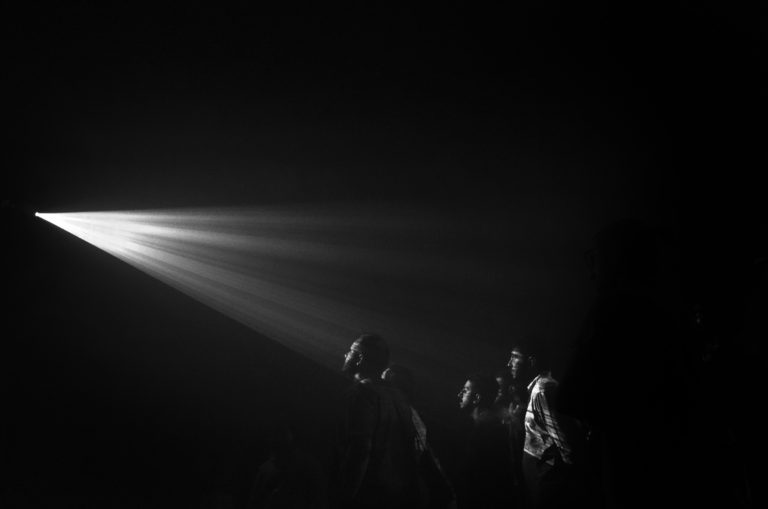
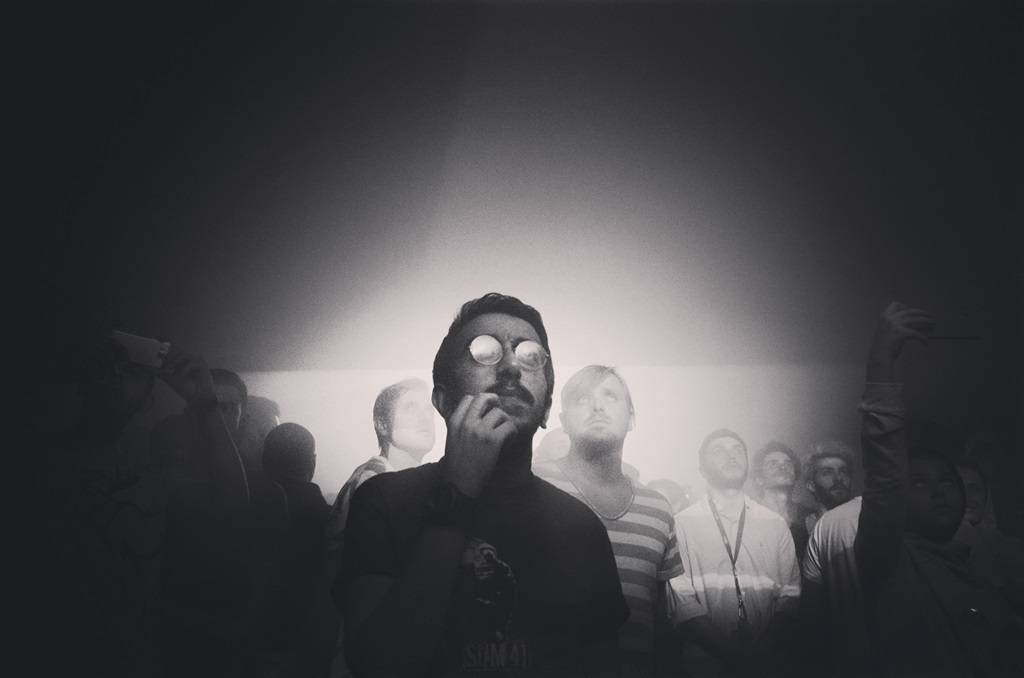
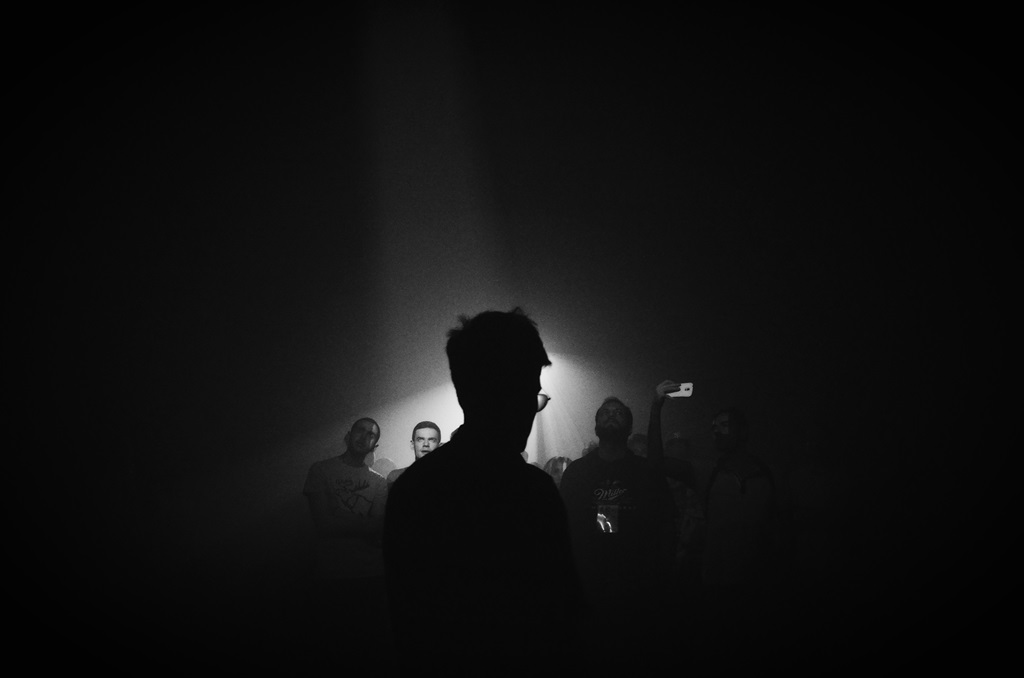
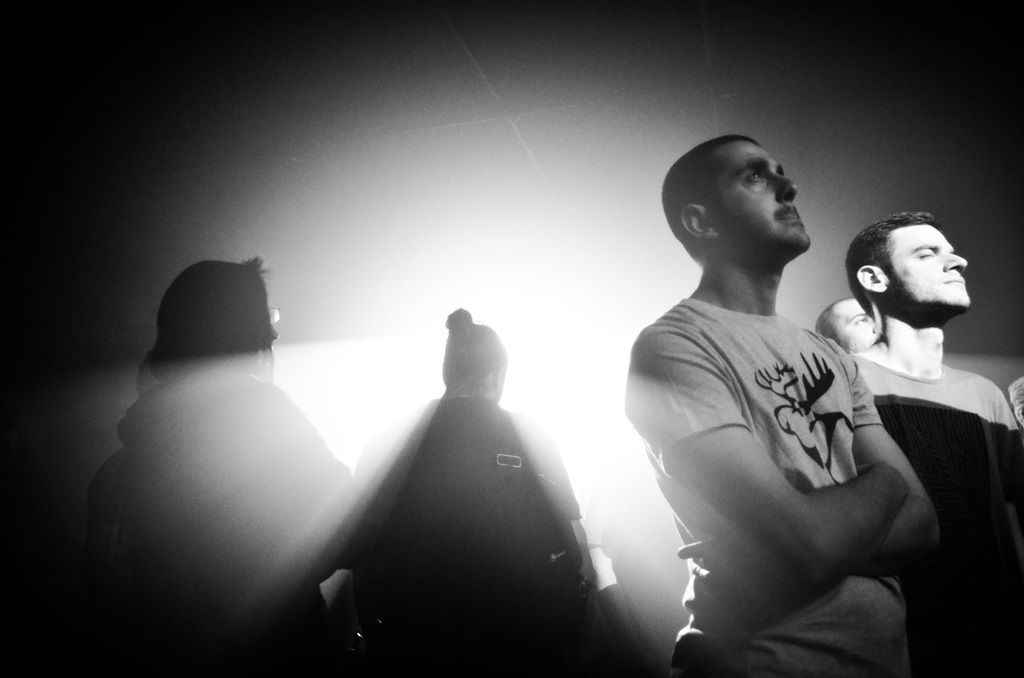
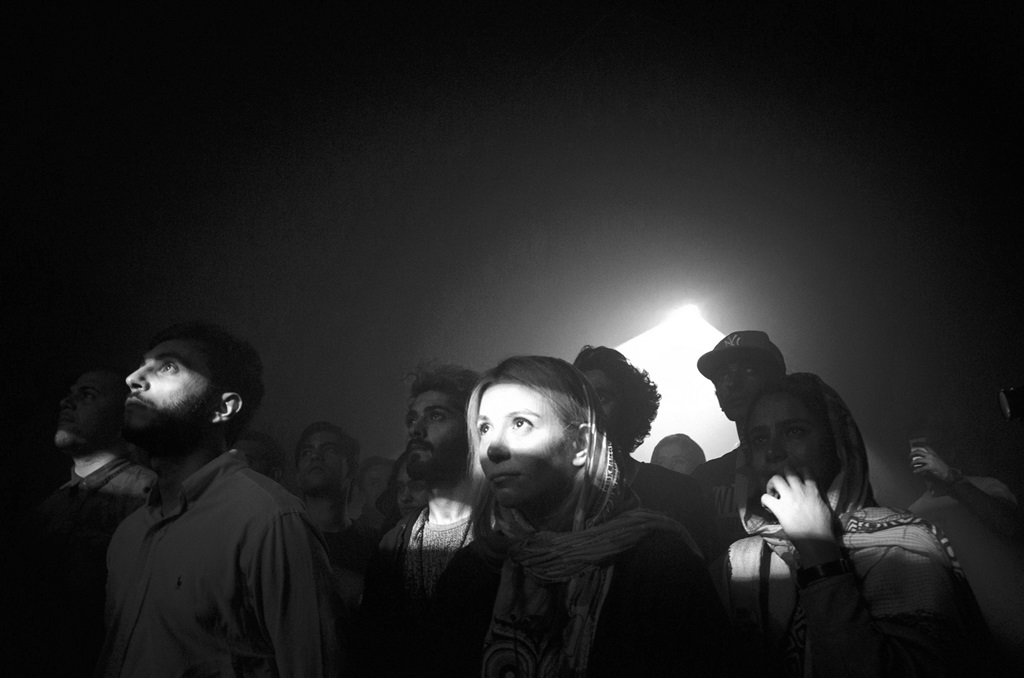
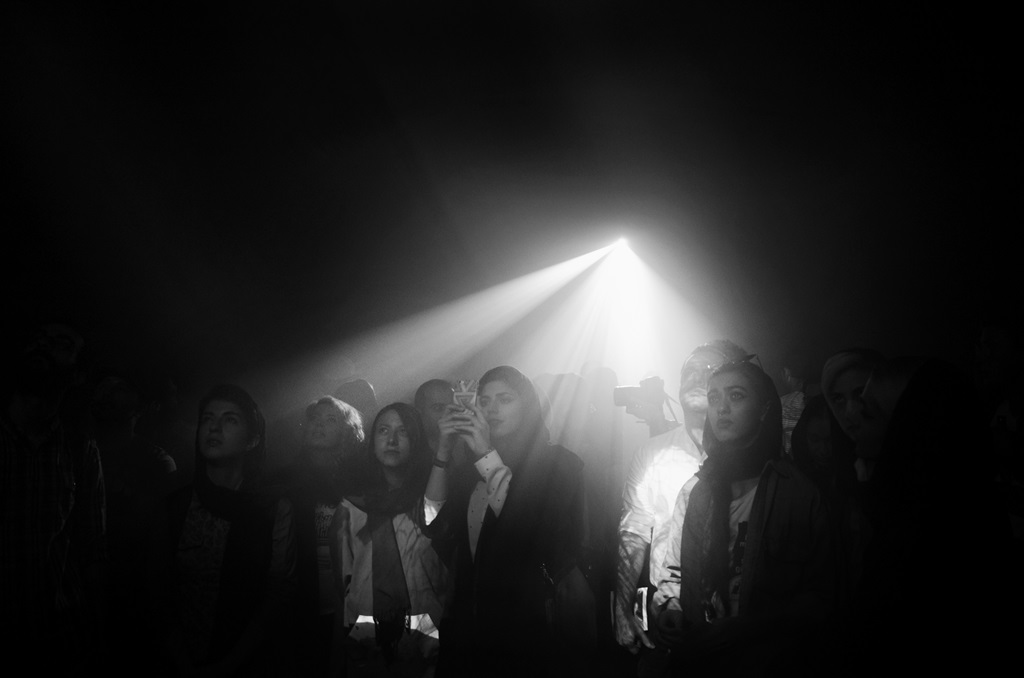
Interactive digital audio-video live performance.
Performed in Tehran (Iran), Lisbon (Portugal), and Linz (Austria).
kinema ikon 7012 (2012)
AV live performance using videos from the Romanian multimedia experimental art group Kinema Ikon’s archive from the ’70s and ’80s updated and manipulated live; also the sound was created live for Live Performers Meeting, Rome, Italy.
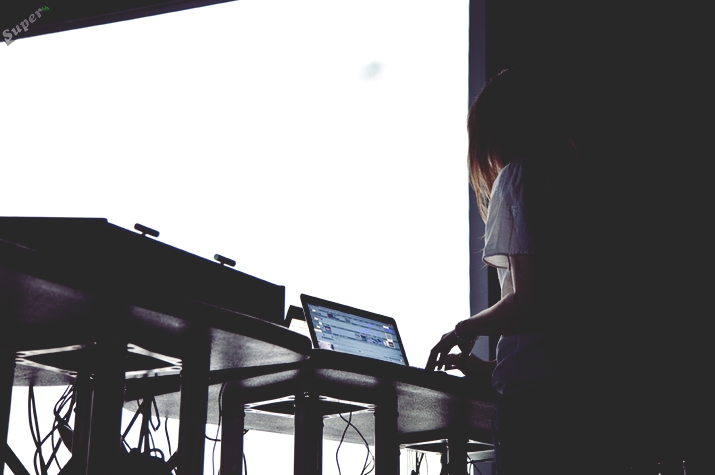
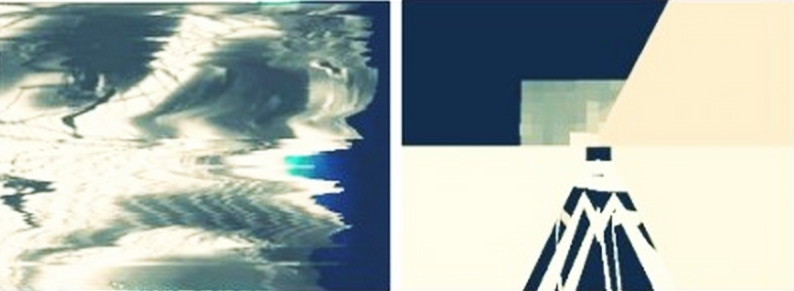
Kinema Ikon 7012 is an audiovisual performance that reimagines and enhances video artworks from the 1970s, breathing new life into them through modern sound and digital manipulation. This project serves as a contemporary interpretation of obscure video artworks by filmmakers from that era, transitioning from analogue to digital and applying real-time digital effects to the original footage.
The avant-garde soundscapes accompanying these moving images create a captivating glitch experiment—a futuristic audiovisual composition rooted in the past. This performance establishes a connection between the 1970s and 2012, reflecting on the past to inspire the future of artistic expression.
The source material for this project comes from the Kinema Ikon video archive, featuring works by Romanian video artists from 50 years ago. These experimental films employed techniques like stop motion and light painting, which have since gained widespread recognition.
For the audio component, I integrate new experimental electronic sounds spanning glitch, industrial, noise, breakcore, and techno elements. I draw inspiration from artists such as Emanuel Tet, Ioan Plesh, Ioan T. Morar, Roxana Chereches, Viorel Simulov, among others, whose videos I aim to showcase in a contemporary context.
Supported by the Kinema Ikon coordinators and organizers, this experimental AV performance aims to revive old footage in a modernized manner, injecting new significance into these historical works. The juxtaposition of digitalized vintage footage with innovative sound design reflects a blend of research-driven creativity and fresh artistic vision, resulting in a compelling new audiovisual experience.
Near Death Experience (2012)
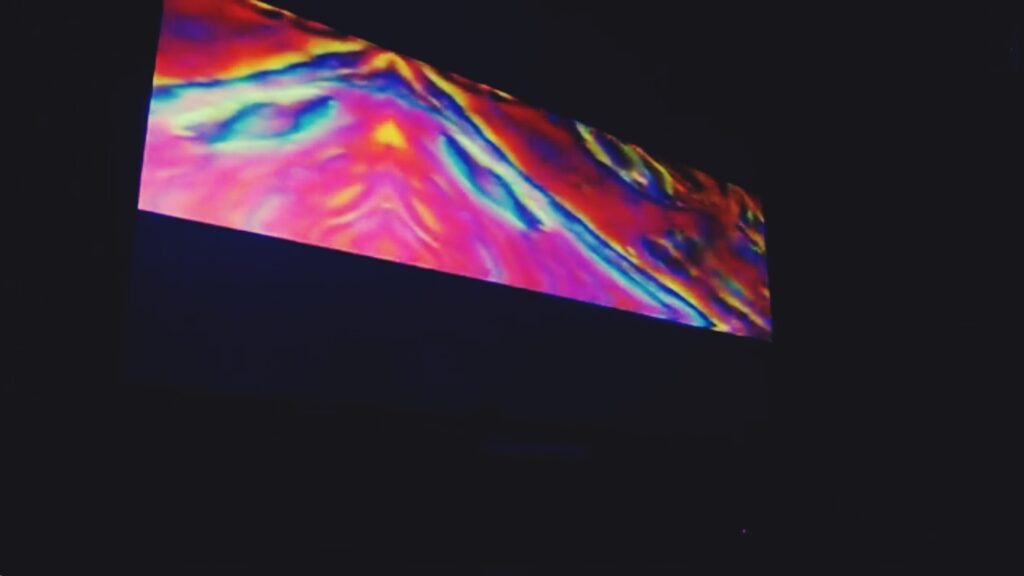
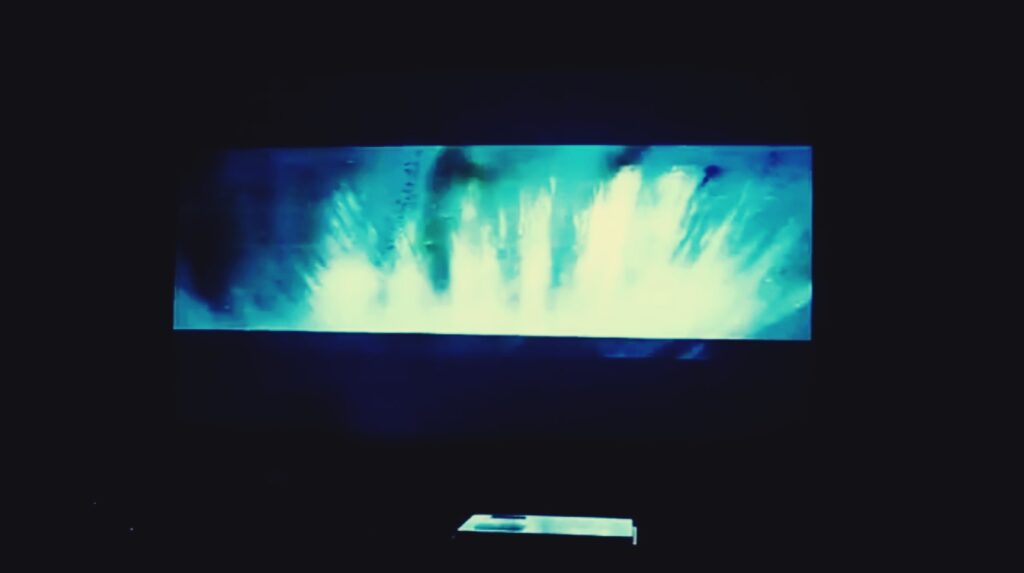
The installation aims to visually depict the altered state of Near Death Experience (NDE), transforming the concept of death into something not just conceivable, but experiential. Projected on two screens are short clips (ranging from 5 to 30 seconds) that capture moments from a person’s life and their experiences beyond death. These images are filmed subjectively, placing the audience in the role of the ‘victim’, and are projected in a random sequence with brief intervals of blank space between each clip, mimicking the blink of an eye. Sound plays a crucial role in distinguishing these moments.
Research indicates that individuals who have undergone serious trauma or near-death encounters often report feelings of imminent death and describe their experiences as both fantastical and profoundly real—a journey into the world of the deceased characterized by absolute peace and serenity, reminiscent of realms depicted in Dante’s ‘Divine Comedy’ or described by ancient Egyptian and Tibetan texts like ‘The Book of the Dead’. Many of these individuals report an ‘out-of-body’ sensation, observing their physical selves from a distance before entering heavenly realms of light and love. Some claim to have glimpsed aspects of their past and future lives, encountering obstacles or beings of light (referred to as Angels) who prevent them from progressing further and compel them to return to their bodies.